
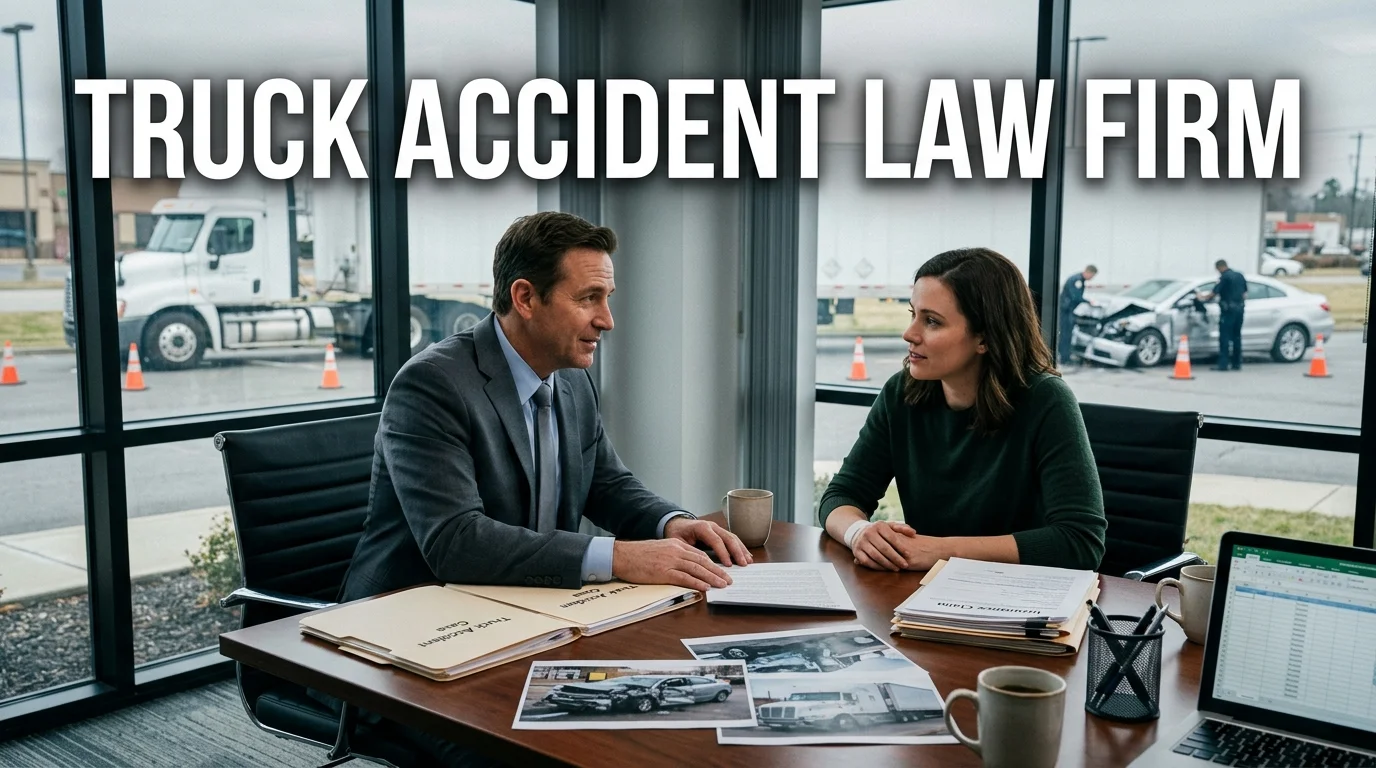
If you’re choosing a truck accident law firm after a serious crash, look for a licensed lawyer with commercial-trucking experience and the resources to preserve evidence. The firm should explain contingency fees, identify who will handle your case, and demonstrate relevant litigation experience. Compare firms and verify each lawyer’s standing before signing.
Commercial truck crashes can involve evidence and business records that don’t appear in a routine car claim. That difference makes the lawyer-selection process especially important.
| What to check | What to look for |
|---|---|
| Relevant experience | Commercial truck cases, not general auto claims alone |
| Evidence plan | Electronic logs, photos, vehicle data, maintenance records, and driver records |
| Fee terms | Written contingency percentage and a clear explanation of case expenses |
| Lawyer verification | Active license, good standing, and disciplinary history |
| Communication | A named lawyer or team and a clear response process |
| Litigation readiness | Experience preparing serious injury cases for court when needed |
Why a Commercial Truck Crash Needs a Different Investigation
A collision involving a tractor-trailer can create more potential evidence than a typical two-car crash. A lawyer may need to examine the driver’s actions, the carrier’s records, the vehicle’s condition, and electronic information.
Timing can matter. The Federal Motor Carrier Safety Administration requires motor carriers to retain electronic logging device records of duty status and backup data for six months. That does not mean every useful record follows the same schedule. It does show why a prompt evidence-preservation plan can be especially important.
Counsel may seek available electronic logs, dash-camera footage, inspection documents, maintenance records, or other business records. What exists will depend on the vehicle, the carrier, and the facts of the collision.
Insurance issues can also become complicated when several policies or businesses are involved. BritLegal’s guide to car insurance after a loss provides useful background on how coverage fits into an accident claim.
What a Truck Accident Law Firm Should Handle for You
The legal team should be able to explain its investigation before asking you to sign. A clear plan may include:
- Identifying and preserving available evidence.
- Reviewing the crash report, photographs, and witness information.
- Examining records connected with the driver and commercial vehicle.
- Identifying businesses or people whose conduct may need investigation.
- Documenting medical expenses, lost income, and other claimed losses.
- Communicating with insurers and opposing parties.
- Preparing the case for negotiation or litigation.
Responsibility is fact-specific. Depending on the circumstances and applicable state law, an investigation could examine the driver, motor carrier, maintenance contractors, cargo-related businesses, or a vehicle manufacturer. An investigation does not automatically mean that each party is legally liable.
If coverage becomes disputed, BritLegal also explains the role of an insurance dispute lawyer and provides a separate overview of attorneys who handle insurance issues.
How Truck Crash Lawyer Fees and Case Costs Usually Work
Many personal injury lawyers use contingency fees. Under this arrangement, the lawyer’s fee depends on obtaining a recovery rather than charging the client a standard hourly fee.
The American Bar Association says contingent fees in personal injury matters are often between 1/3 and 40%, although the actual percentage can vary. State rules and the written agreement control the arrangement. Separate litigation or case expenses may also apply.
ABA Model Rule 1.5 requires that a contingent-fee agreement be in writing and explain how the fee is calculated. It should also address expenses and whether they are deducted before or after the lawyer’s fee is calculated.
Before signing, ask:
| Fee question | Why it matters |
| What percentage will you charge? | You should know how the fee is calculated |
| Does the percentage change if a lawsuit or trial is required? | Some agreements use different percentages at different stages |
| Who advances case expenses? | Costs can include records, experts, filing fees, and depositions |
| When are expenses deducted? | The timing can affect the client’s net recovery |
| Could I owe expenses if there is no recovery? | The agreement should answer this clearly. |
Never rely on a verbal summary when the written contract says something different.
When Should You Consider Calling a Lawyer?
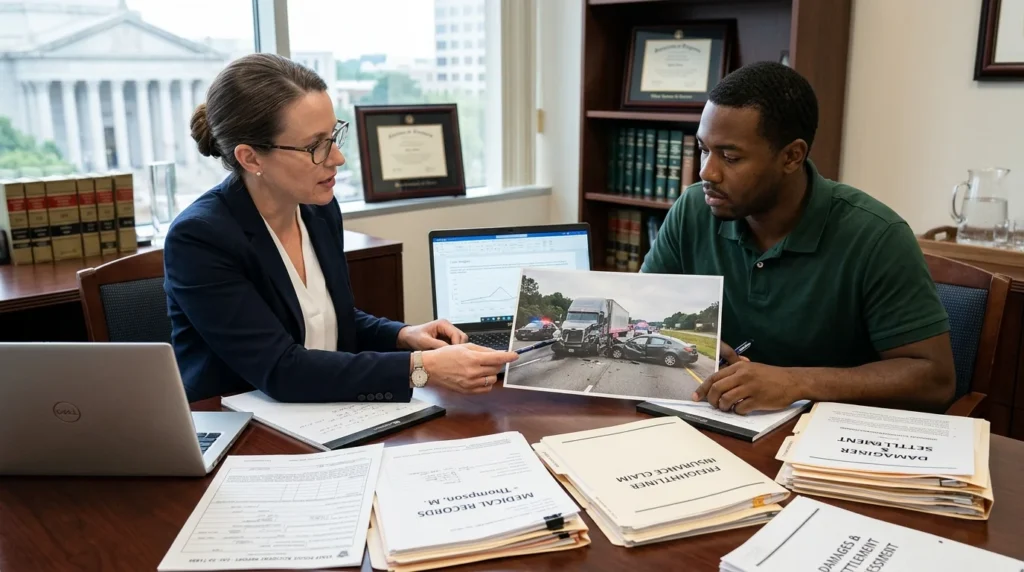
A consultation may be worth considering when a commercial truck collision causes a serious injury, a death, substantial financial loss, or disputed fault. Early legal help can also be useful when several vehicles or companies appear to be involved. Also worth reading: Discretion in U.S. Law.
You may also want advice when an insurer requests extensive statements or documents or when you are worried that electronic or physical evidence could disappear.
If injuries affect your ability to work, separate insurance questions may also arise. BritLegal’s overview of disability insurance claims and attorneys explains that issue in more detail.
7 Questions to Ask Before Hiring a Truck Crash Lawyer
A consultation is partly an interview. You are deciding whether to entrust an important claim to that lawyer.
- How many commercial trucking cases have you handled recently? Ask about experience that relates to the type of case you have, not personal injury work in general.
- Who will be responsible for my case? Find out whether you will work with the lawyer you meet or with another attorney and support team.
- What evidence would you try to preserve first? The answer should be specific to the collision and the records that may be available.
- What contingency percentage and case expenses would apply? Ask the lawyer to explain the written fee agreement before you sign.
- Have you handled comparable cases in litigation or at trial? Relevant courtroom experience can matter if settlement negotiations fail.
- Which people or businesses would you investigate for potential responsibility? A careful answer should depend on the evidence rather than assumptions.
- What weaknesses or risks do you see in my claim? A useful consultation should address both problems and strengths.
The ABA recommends asking about a lawyer’s relevant experience and qualifications before hiring. It also advises consumers to verify licensing and disciplinary information through the appropriate state authority.
Red Flags Before You Sign a Fee Agreement
Be cautious when a lawyer guarantees a specific settlement or victory before conducting a proper investigation. The ABA specifically warns consumers about promises of guaranteed results or unusually large recoveries.
Other warning signs include:
- No clear written explanation of fees and costs.
- Pressure to sign without reading the agreement.
- Vague answers about who will work on your case.
- No plan for preserving time-sensitive evidence.
- Unwillingness to discuss weaknesses in the claim.
- Credentials that cannot be verified with the state licensing authority.
Past results can provide context, but they cannot guarantee what will happen in a different case.
What to Bring to Your First Consultation
You don’t need to investigate the entire collision yourself. Bringing records you already have can help the lawyer understand what happened.
Useful items may include:
- The police or crash report, if available.
- Photographs and videos.
- Witness names or contact information.
- Insurance correspondence.
- Medical records or bills you already have.
- Repair, towing, or vehicle-storage documents.
- Wage or employment records related to missed work.
- A simple timeline of the collision and the events that followed.
Keep original documents when appropriate, and ask the lawyer how additional evidence should be collected.
How to Take the Next Step
BritLegal publishes general legal information and states that its content is provided for informational purposes. It should not be treated as a substitute for legal advice about a specific claim.
For a serious commercial truck case, consider booking consultations directly with licensed attorneys who handle trucking litigation in your state. Compare their written fee agreements, verify their professional standing, and ask what evidence they would preserve first.
The goal isn’t to choose the lawyer with the biggest promise. Choose counsel who can explain the investigation, fees, risks, and next steps in terms you understand.
Frequently Asked Questions
There is no universal deadline for making the first call, but prompt action may help preserve evidence. For example, FMCSA requires carriers to keep ELD duty-status records for six months. Different retention rules may govern other records, and legal filing deadlines vary.
Many personal injury lawyers work on a contingency basis. The ABA says contingency fees are often between 1/3 and 40%, but percentages vary. The written agreement should explain the fee, case expenses, and how those expenses affect the final recovery.
Compare relevant trucking-case experience, evidence-preservation plans, trial experience, written fees, and communication practices. Verify each lawyer’s active license and disciplinary history with the appropriate state authority. Ask who will handle the case and what weaknesses the lawyer sees before you sign.